
You wake up after a rough night, glance in the mirror, and your skin tells the whole story before you say a word. Dull tone, puffiness under the eyes, a sudden flare of breakouts, or fine lines that seem more pronounced than yesterday. This is not your imagination.
The relationship between stress, sleep deprivation, and skin health is deeply biological, and understanding it is the first step toward addressing it effectively.
The Science Behind Stress and Skin
When your body experiences stress, whether from work pressure, emotional strain, or disrupted sleep, it releases a hormone called cortisol. Cortisol is part of your natural fight-or-flight response, and in short bursts, it is entirely normal. The problem begins when cortisol levels remain elevated over time.
High cortisol breaks down collagen and elastin, the two structural proteins responsible for keeping your skin firm, plump, and smooth. As collagen degrades, the skin loses its bounce and resilience, leading to the formation of fine lines and a general loss of facial volume. In parallel, cortisol triggers excess sebum production, which often results in clogged pores and stress-related breakouts, even in adults who rarely experience acne otherwise.
Chronic stress also disrupts the skin barrier function. A compromised barrier means the skin struggles to retain moisture and becomes more vulnerable to environmental irritants.
What Happens to Your Skin When You Do Not Sleep Enough
Sleep is the body’s primary repair window. During deep sleep, growth hormone is released, triggering cellular regeneration across every organ, including the skin. The skin increases blood flow, repairs UV damage, and rebuilds collagen during these overnight hours. When sleep is cut short or fragmented, this repair cycle is interrupted.
Poor sleep elevates cortisol, creating a vicious cycle alongside the stress response discussed above. It also reduces the production of melatonin, a powerful antioxidant that protects skin cells from oxidative damage. Without adequate melatonin, free radical damage accumulates faster, accelerating the visible signs of aging.
Fluid regulation is also disrupted by poor sleep. The lymphatic system, which is responsible for draining excess fluid from tissues, becomes less efficient, leading to puffiness around the eyes and face in the morning.
The Visible Signs Your Skin Is Suffering
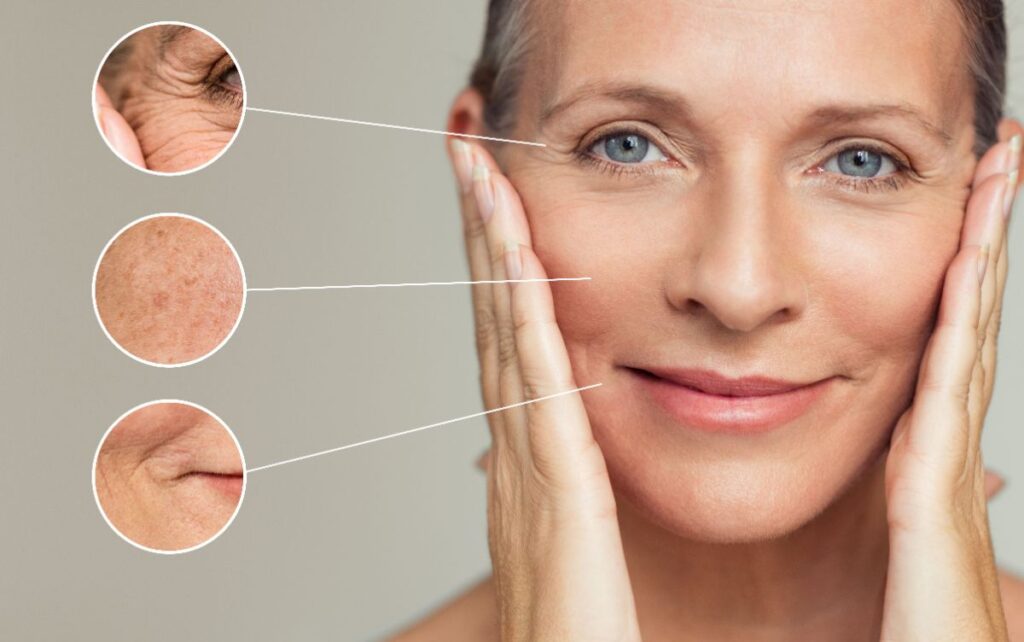
The effects of stress and sleep deprivation manifest in very specific, recognizable ways. Skin appears sallow or grey rather than luminous. The under-eye area becomes hollowed, shadowed, or swollen.
Fine lines look more etched, particularly around the mouth, forehead, and eyes. Skin feels rough or tight instead of supple. Breakouts appear along the jawline or cheeks.
How Professional Treatments Can Restore Tired Skin
While improving sleep habits and managing stress levels are foundational, many of the visible changes they cause require professional intervention to properly reverse. At CEIA Clinic, our approach is always personalized and rooted in restoring the skin from within, not masking the problem.
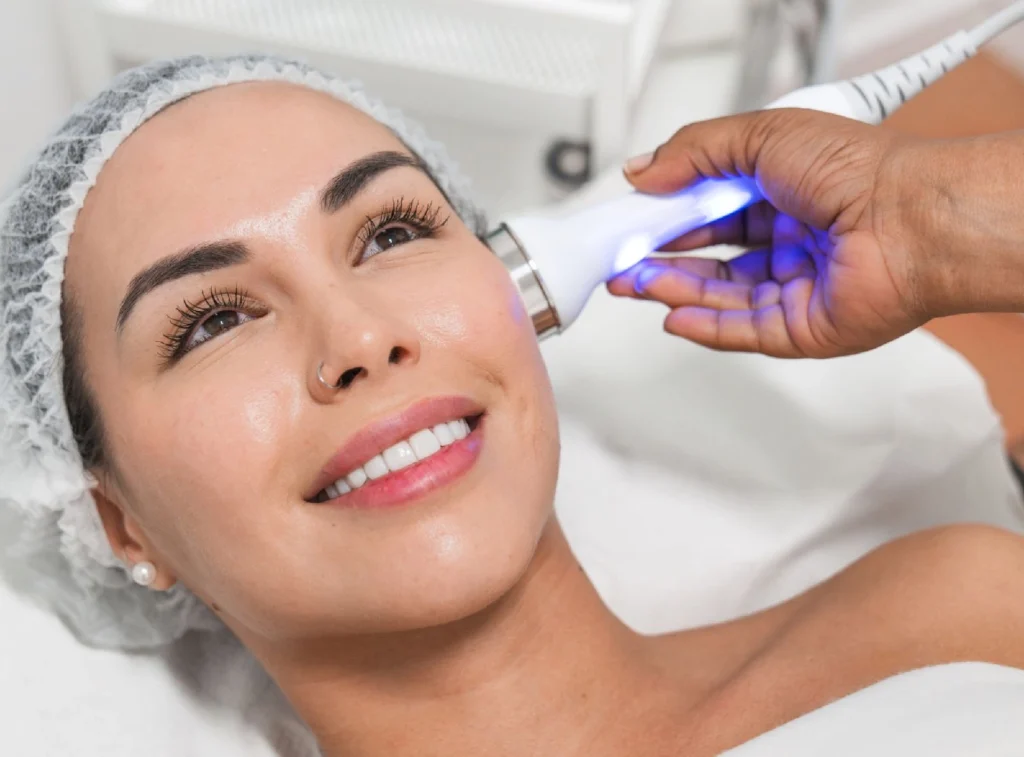
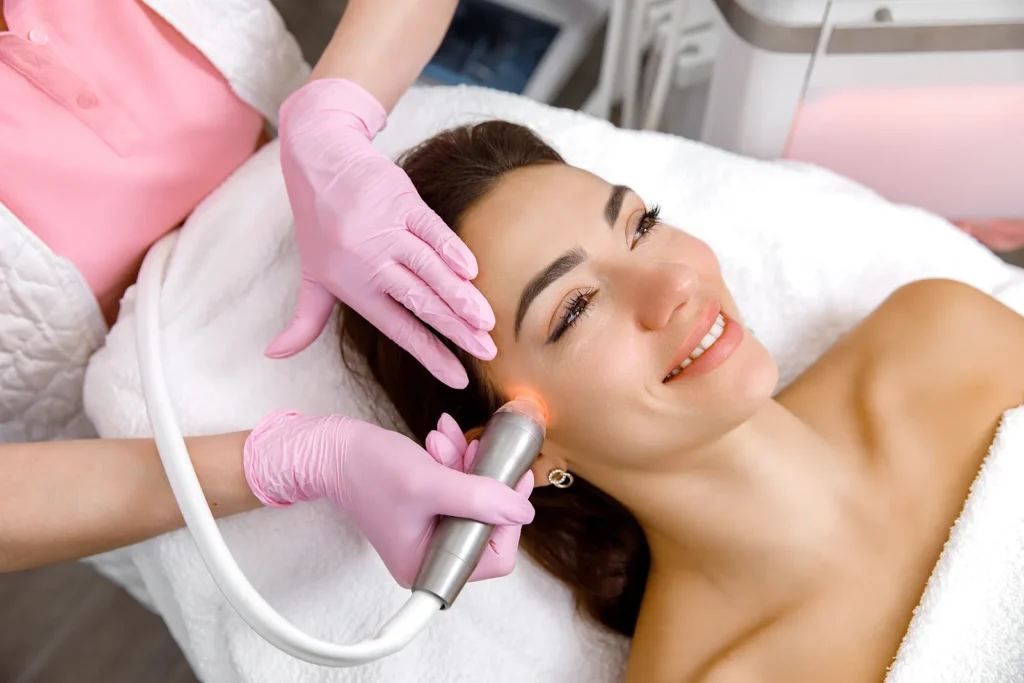
- For clients dealing with loss of radiance and uneven texture from prolonged stress, MOXI Laser is one of the most effective options available. This gentle fractional laser stimulates collagen production and improves skin tone with minimal downtime, making it ideal for busy individuals whose schedules are already stretched thin.
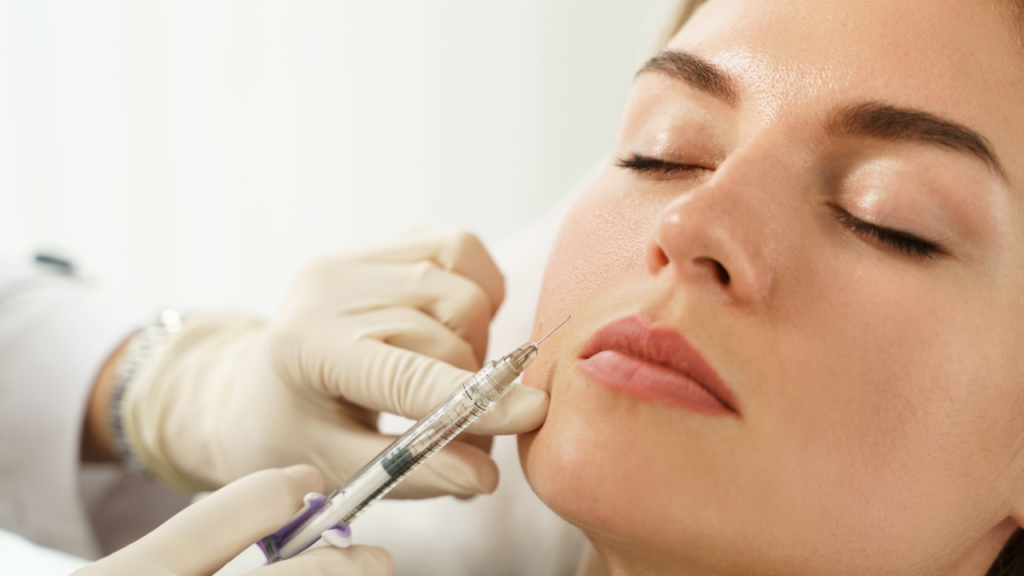
- When collagen depletion and volume loss are the primary concerns, Skin Boosters deliver deep hydration and structural support from within the dermis. Unlike surface moisturizers, skin boosters work at a cellular level to restore the plumpness and glow that stress and fatigue steal over time.
- For clients noticing more advanced signs of aging as a result of chronic cortisol exposure, Biostimulators offer a longer-term solution by actively stimulating the skin’s own collagen production. These treatments do not fill or freeze. They regenerate, which aligns entirely with our philosophy at CEIA of enhancing what is naturally yours.
- PRP Therapy is another powerful option for clients experiencing dullness, thinning skin, or under-eye deterioration. By harnessing the regenerative properties of your own platelet-rich plasma, PRP accelerates cellular repair and improves skin quality from the inside out.
- Clients who need a comprehensive skin reset often benefit most from combining these treatments with a deeply nourishing facial experience. Our Premium and Signature Facials and HydraCool Facial are designed to immediately brighten the complexion, restore hydration, and deliver visible results from the very first session.
- For those whose wellness has been impacted holistically by chronic stress, not just the skin but energy levels, immunity, and overall vitality, IV Drip Therapy can be a transformative addition to any treatment plan. Our customized drips deliver essential vitamins, antioxidants, and hydration directly into the bloodstream, supporting the body’s ability to recover from the inside out.
The CEIA Approach to Stress-Related Skin Concerns
If your skin has been telling you it needs attention, now is the right time to listen.
Book a consultation at CEIA Clinic and let our expert team design a treatment plan that works with your skin, your lifestyle, and your goals.