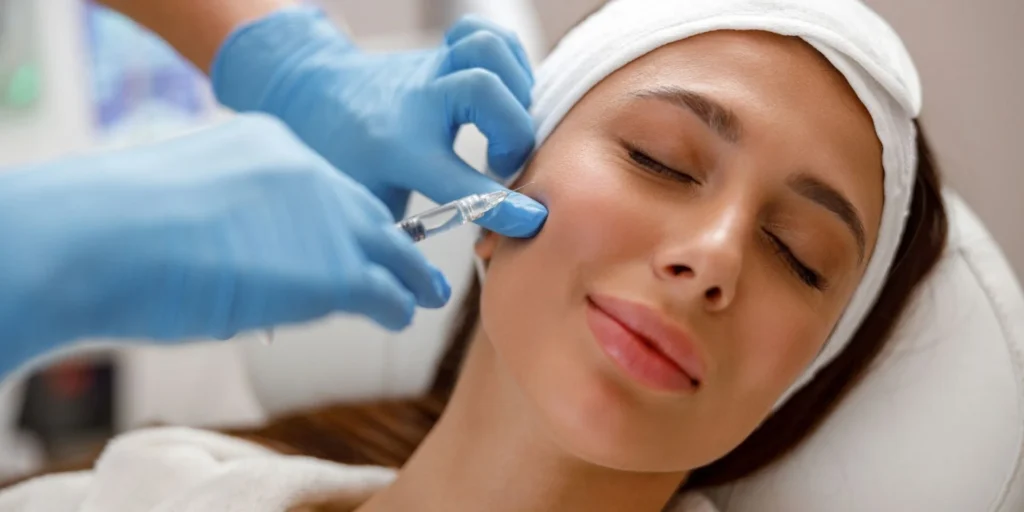
Non-surgical aesthetics has come a long way. The treatments available today can lift, tighten, volumise, and resurface with results that were simply not possible a decade ago.
But there is a point, and it is different for every face, where no injectable or energy-based device can deliver what a patient genuinely needs. Knowing where that line sits is one of the most important conversations in modern aesthetics.
This is not a question about preference. It is a clinical one.
What Non-Surgical Treatments Can and Cannot Do
Understanding the limits of non-surgical care starts with understanding what it actually addresses.
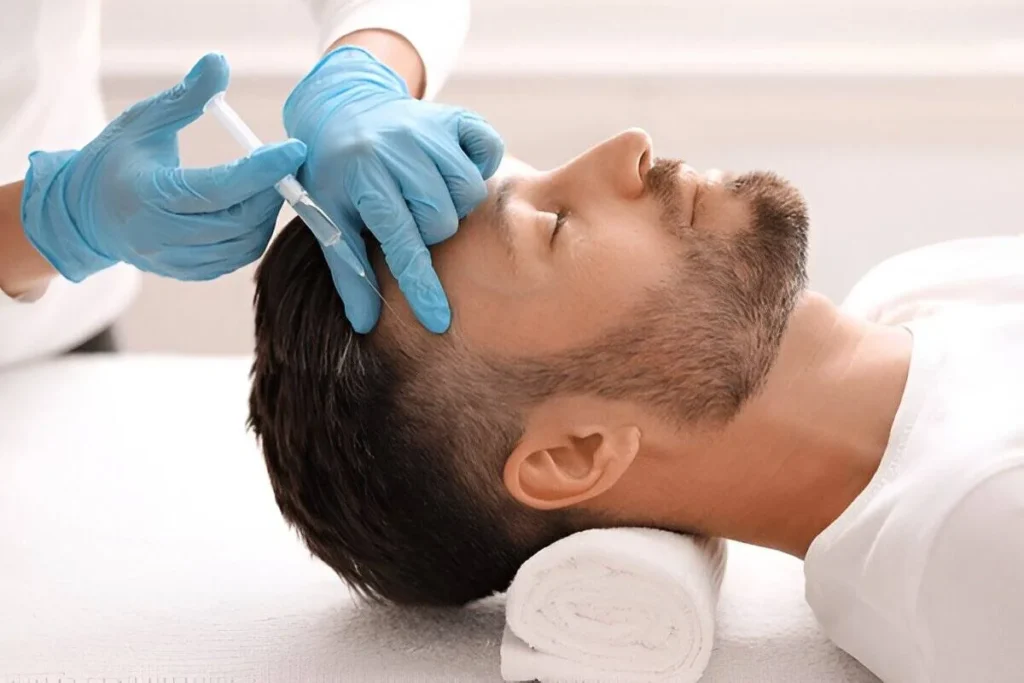
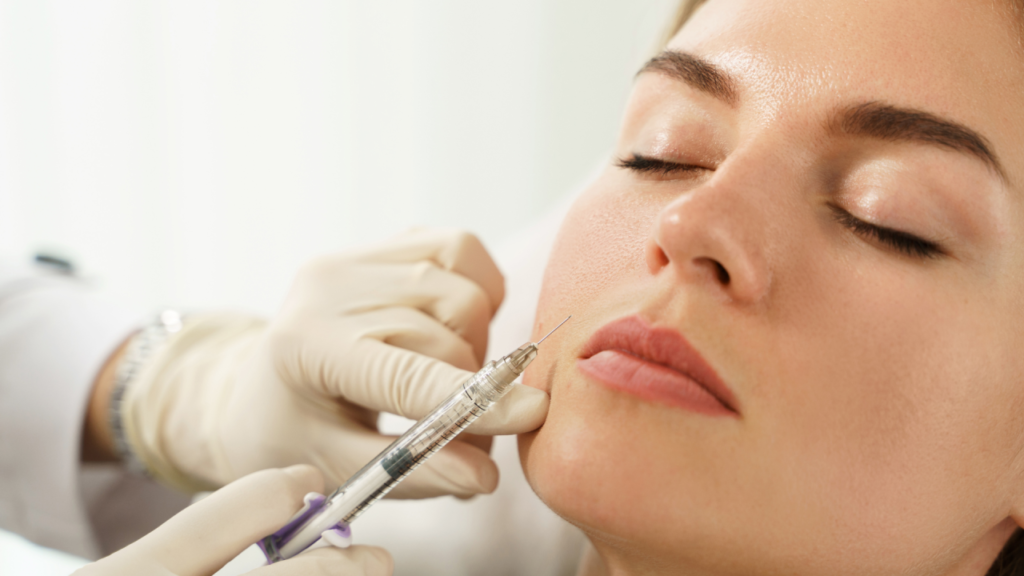
Injectables, energy-based devices, and regenerative treatments work well for mild to moderate concerns. Expression lines, early volume loss, softening jaw definition, skin quality, texture, and localised fat. These are the problems non-surgical treatment was built for, and within that range it performs well.
What it cannot do is reposition tissue that has genuinely descended. It cannot remove significantly excess skin.
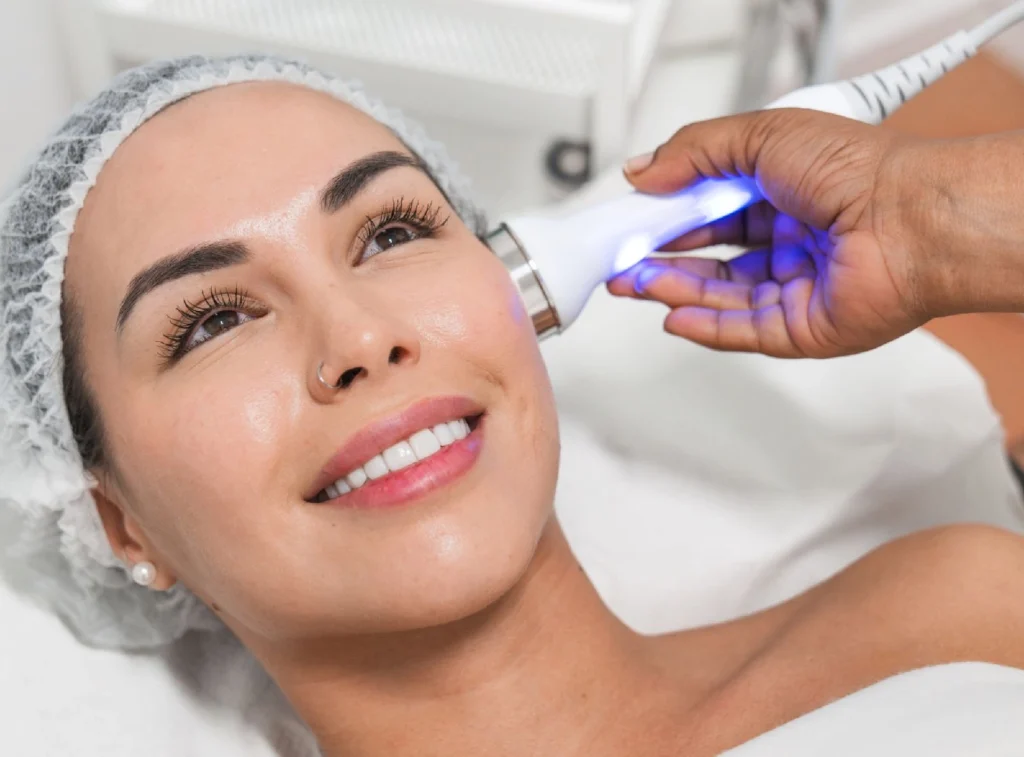
It cannot repair structural changes that have passed a certain threshold. RF microneedling, Ultherapy, and biostimulators are the primary non-invasive options for laxity, but none replaces surgery for severe cases.
A well-planned non-surgical protocol started before laxity becomes pronounced delivers meaningful results. The same protocol applied too late delivers far less.
Signs Non-Surgical Treatments Are No Longer the Right Answer
There is no single moment when non-surgical stops being enough. It happens gradually, and it looks different depending on the person. These are the clearest indicators:
- Skin laxity that volume cannot correct. When the issue is descended tissue rather than lost volume, adding filler addresses the wrong problem and can make the face look heavy rather than lifted.
- Results that require increasingly more product. If maintaining an outcome demands significantly more filler each visit without a proportional improvement, the structural change has outpaced what injectables can realistically do.
- Concern is fundamentally structural. Significant excess skin on the neck, a brow that has dropped considerably, or jowling that has become the dominant feature of the lower face are structural problems. Non-surgical treatment can soften them. It cannot resolve them.
- You have tried the right treatments and they have not delivered. A course of EXION RF microneedling, Ultherapy, and considered dermal fillers that produced limited improvement is useful clinical information. It suggests the concern has moved beyond the non-surgical range.
When Plastic Surgery Becomes the More Rational Choice
Surgery is not a last resort. For specific concerns, it is simply the more appropriate tool.
The most useful question is not which option is more popular or less intimidating. It is how much structural change is genuinely needed, how much downtime can be tolerated, and how much ongoing maintenance is realistic long term.
If the problem is mainly movement lines or mild volume loss, lighter treatments are usually sufficient. If the problem is structural descent or significant laxity, surgery often becomes the more rational answer.
Procedures like a facelift remove excess skin and reposition descended tissue in ways that no non-surgical device is capable of achieving for more significant concerns. Liposuction addresses fat volume that body contouring treatments like EMSculpt NEO can refine and maintain but cannot remove.
Once surgery addresses the foundation, non-surgical treatments continue to add value, managing skin quality, texture, and subtle volume distribution that surgery alone does not specifically target.
Why Honest Assessment Matters
The clinics getting this wrong tend to fall into one of two patterns. Some push non-surgical treatment past the point where it serves the patient, because it is what the patient wants to hear and what the clinic can deliver. Others recommend surgery prematurely, before non-surgical options have been properly explored.
Neither serves the patient well. An honest assessment identifies where on the spectrum a concern actually sits and recommends accordingly, even when that recommendation points somewhere the clinic cannot go.
Non-surgical treatments suit patients who want to refresh rather than transform, who have mild to moderate concerns, and who prefer a staged plan over a single significant intervention. Surgery suits patients whose concerns have passed the threshold of what non-surgical care can address, and who are willing to accept the downtime that comes with a structural result.
Get an Honest Assessment at CEIA Clinic Dubai
At CEIA Clinic in Jumeirah, every recommendation begins with an honest evaluation of where your concern sits and what will genuinely serve it. We will tell you when non-surgical treatment is the right answer and when it is not.
Explore our full range of skin and anti ageing treatments and injectables, read more on our blog, or book a consultation and get a straightforward clinical opinion built around your face.