
Most people arrive at an aesthetic clinic expecting to be talked into something. So it can be disarming when the doctor advises the opposite. Wait a few weeks. Reconsider the plan. Or, on occasion, do nothing at all.
It seems to work against the clinic’s interest. In practice, it is one of the clearest signals that you are in capable hands.
A recommendation against treatment is rarely a lost opportunity. More often it is a doctor prioritising your face, your safety, and your trust over a single booking.
The reasons behind that decision are worth understanding before you commit to anything.
When an Aesthetic Doctor Recommends Against Treatment
The strongest practitioners approach aesthetics as a branch of medicine rather than a retail service. That distinction shapes every recommendation they make. Their definition of success is how you look months from now, not whether you paid on the day.
For that reason, the answer is sometimes no. It typically comes down to one of four considerations. The concern may not require a procedure. The timing may be wrong. A medical factor may stand in the way. Or the treatment you have requested may not produce the result you have in mind. Each deserves a closer look.
Your Concern May Not Need Treatment at All
One of the most persistent misconceptions in aesthetics is that every concern calls for Botox or filler. Many simply do not.
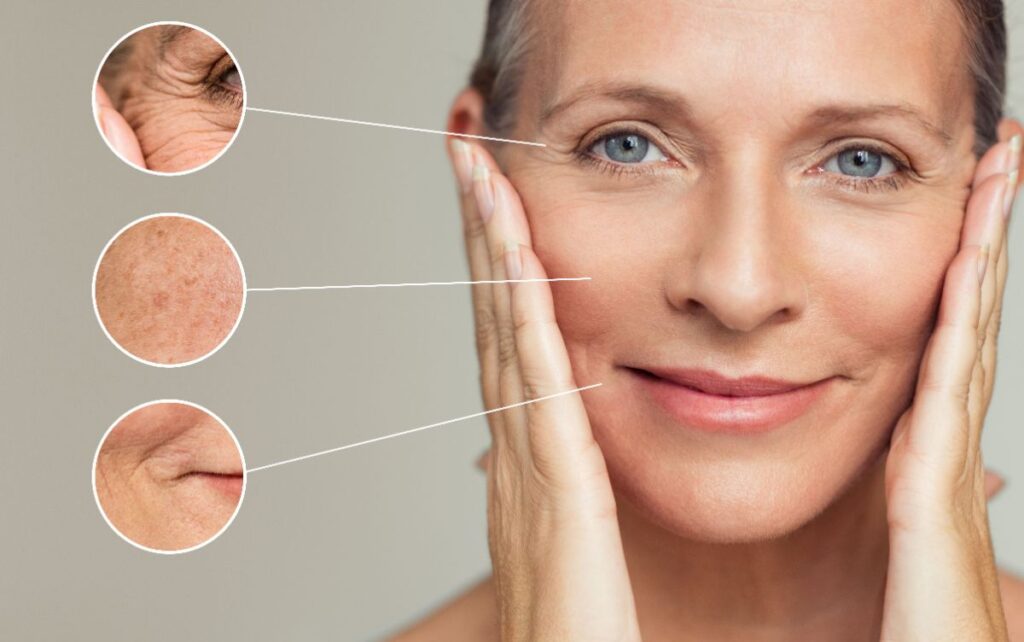
A significant number of complaints relate to skin quality rather than volume or muscle movement. Dullness, mild uneven texture, and early dryness usually respond far better to a considered skincare approach than to injectables.
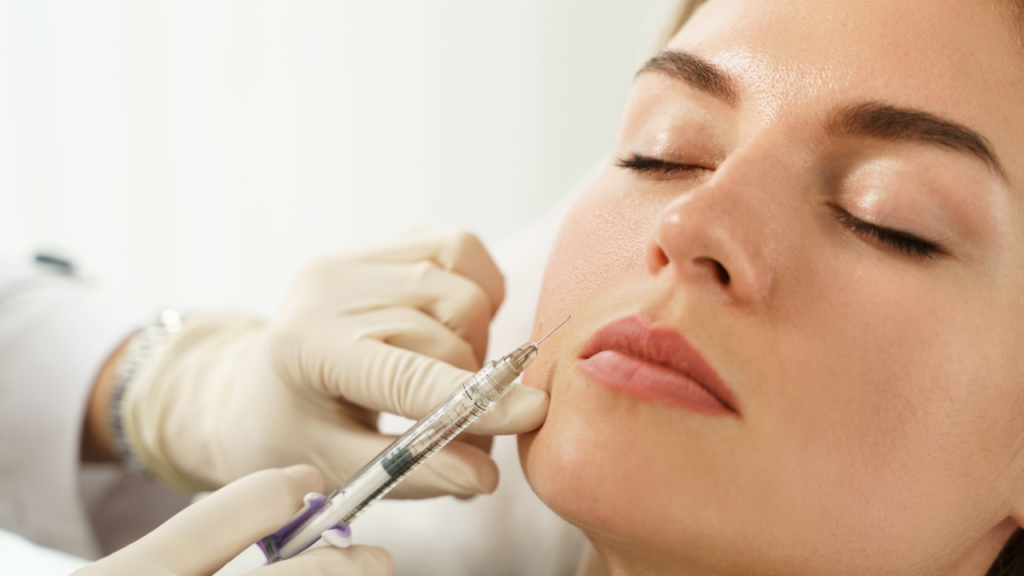
In these situations, a responsible doctor will recommend skin boosters or a structured skin and anti ageing plan rather than reaching for a needle.
When a refinement to your daily routine resolves the issue, that is the guidance you should expect to receive, regardless of whether it generates a treatment for the clinic.
The Timing Is Wrong for Treatment
Timing is frequently underestimated, and in a city like Dubai it carries particular weight.
Sun exposure is the most common factor. A number of skin treatments increase photosensitivity, which means significant sun before or after your appointment can compromise both the result and your safety. A careful practitioner will always account for this.
There are several other circumstances in which delaying is the wiser choice:
- An upcoming event. Certain procedures require time to settle. Scheduling one shortly before a wedding or a flight is a mistake a responsible doctor will prevent.
- Recent treatment. Adding more before a previous result has fully settled increases the risk of overcorrection. Spacing appointments appropriately protects the outcome.
- Genuine hesitation. If you appear uncertain or anxious during the consultation, a good doctor will notice and suggest taking additional time. There should never be pressure to proceed.
Postponing by a few weeks often delivers a noticeably better result. This is not the clinic delaying unnecessarily. It is the clinic ensuring the treatment is done properly.
Medical Reasons to Delay or Avoid Treatment
Some cases cannot be treated safely, and this is precisely where medical training proves its value.
Injectable treatments are generally avoided during pregnancy and breastfeeding, largely because adequate safety data is not available. An active skin infection is another clear contraindication. Certain autoimmune conditions, specific medications, and particular allergies can all render a treatment unsuitable or unsafe.
None of these factors can be identified without a thorough medical assessment, which is the fundamental reason a proper consultation precedes any procedure at a reputable clinic. A practitioner who bypasses that step to keep an appointment moving is placing your health at risk, not simply your result.
When Expectations and Reality Do Not Match
On occasion, the honest answer is more difficult to hear. The treatment you want may not produce the outcome you are picturing.
If the result you are seeking requires a different approach, or if the request would take your appearance beyond a natural look, an ethical doctor will tell you directly.
Overtreatment is considerably harder to reverse than under treatment, and the overfilled appearance so many people fear is almost always the product of a clinic that never learned to say no.
There is also a duty of care around wellbeing. When a patient becomes fixated on a minor or imagined flaw, further treatment rarely improves confidence and can, in some cases, worsen it. Recognising that boundary is an essential part of responsible practice.
Why Saying No Is a Sign of a Good Clinic
This is the heart of the matter. A clinic focused on your long term result will readily forgo a booking today in order to preserve your trust for years to come.
The alternative is a practice where every visitor becomes a transaction. That model is what produces overdone faces and patients caught in a cycle of corrections.
When injectable treatments are recommended only where they genuinely add value, the results remain natural and the relationship endures.
Restraint is not the doctor withholding care. It is the doctor protecting your interests.
Experience Honest Aesthetics at CEIA Clinic
At CEIA Clinic in Jumeirah, our practitioners offer you the truth, even when that truth is wait, or not yet, or you do not need this. Every recommendation begins with your health, your goals, and a natural result you will continue to value years from now.
Read more on our blog, or book a personalised consultation and receive a straightforward, expert opinion before you decide anything.